Are Rottweilers Aggressive? The Truth Behind the Breed
Published June 9, 2025
Few breeds carry as much misunderstanding as the Rottweiler. As an AKC Rottweiler breeder in Southern California working with Serbian bloodlines, here is what we actually see — and what really shapes a Rottweiler's behavior.
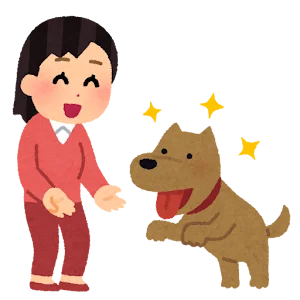
"Are Rottweilers aggressive?" is one of the most common questions we field from families researching the breed. It is a fair question, and it deserves a fair answer — not a defensive one. The short version: Rottweilers are not inherently aggressive. They are a powerful, confident, working breed whose behavior is shaped far more by upbringing, training, and breeding decisions than by genetics alone.
Where the reputation comes from
The Rottweiler's reputation is largely the product of two things: their size and strength, and decades of poorly bred, under-socialized, or mishandled dogs ending up in headlines. A 110-pound dog making a mistake looks very different from a 15-pound dog making the same mistake — even when the underlying behavior is identical. That visibility, combined with irresponsible ownership, has unfairly colored public perception of the breed as a whole.
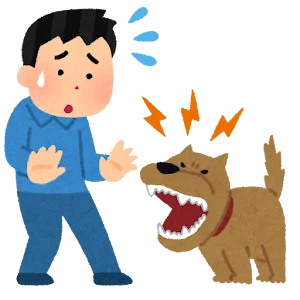
The stereotype most people picture — and the reality we see in our kennel every day — are not the same dog.
Temperament is built, not inherited in isolation
Genetics give a Rottweiler a starting point: confidence, loyalty, a strong working drive, and natural protectiveness toward their people. What that potential becomes in adulthood depends on a stack of factors that every owner has more control over than they realize:
- Upbringing — the structure, calm, and consistency of the home a puppy grows up in
- Early socialization — measured, positive exposure to people, dogs, sounds, surfaces, and environments during the critical 8–16 week window
- Environment — whether the dog lives as a member of the family or is isolated in a yard or kennel
- Training — clear, reward-based communication and lifelong reinforcement of expectations
- Bonding — the trust built in the first year between dog and owner that shapes every interaction afterward
A Rottweiler raised with all five tends to grow into the dog the breed standard describes: calm, confident, deeply loyal, and discerning rather than reactive. A Rottweiler that misses any of them — especially socialization — can become anxious, over-protective, or unpredictable, regardless of pedigree.
The breeder's role is bigger than most people realize
Responsible breeding is the foundation everything else is built on. That means selecting parents with verifiable health clearances and stable, predictable temperaments — not just titles or looks. It means raising puppies underfoot, in a home, with daily handling and structured exposure from the day they can see and hear. And it means honest placement: matching each puppy with a family whose lifestyle suits that individual dog, not pushing puppies on the first inquiry.
At VomBandaHause, our adults and puppies are an honest reflection of that process. Visitors regularly remark on how settled and sociable our dogs are — not because we got lucky, but because every litter is intentionally bred and raised that way. You can meet the adults behind our program on our Our Dogs page, and see what's coming up on Current Litters.
What a well-raised Rottweiler actually looks like
A properly bred, well-socialized Rottweiler is steady, affectionate with their family, confident around new people once introduced, and calm at home. They are loyal almost to a fault, often surprisingly silly with the people they love, and observant rather than reactive. They are absolutely capable of being excellent family dogs — provided they are given the leadership, structure, and companionship the breed requires.
None of this is a guarantee about any individual dog. We don't make blanket promises, and we'd be skeptical of any breeder who does. What we can promise is that every puppy leaves our program with the strongest possible foundation, and that we stay involved for the life of the dog.
The owner's role
A Rottweiler is not the right dog for every home. They need a confident owner, consistent training, daily engagement, and a commitment to socialization that extends well past puppyhood. In return, they offer a depth of bond and reliability that few breeds match. The behavior issues this breed is famous for are almost always traceable to an environment that failed the dog — not to the dog itself.
Talk to us
If you've been told Rottweilers are aggressive and want a more honest picture, we'd genuinely rather have that conversation than make a sale. Reach out through our Contact page — whether you're in Southern California or anywhere across the United States — and we'll talk you through what owning a well-raised AKC Rottweiler of Serbian bloodline actually looks like.